
Lake Victoria
Home » Lake Victoria
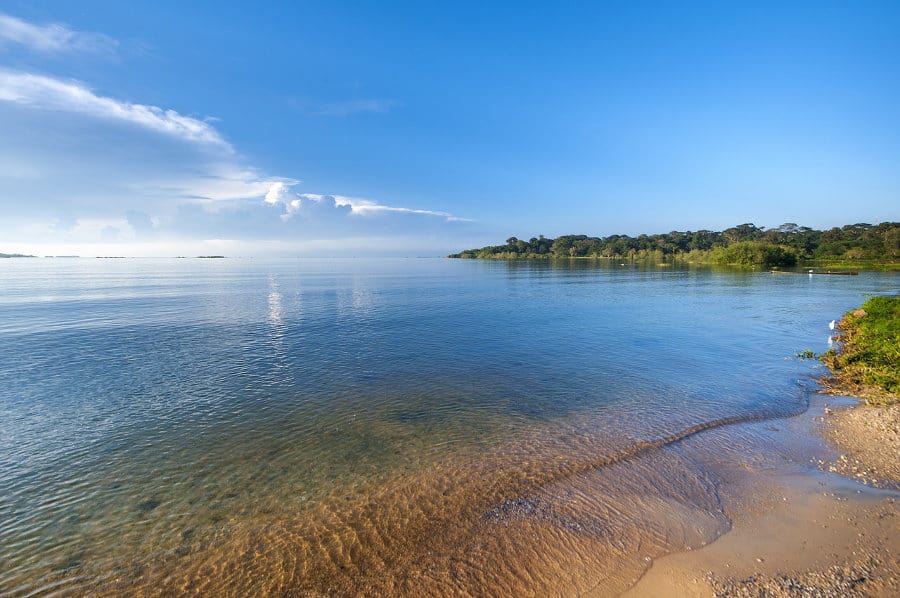
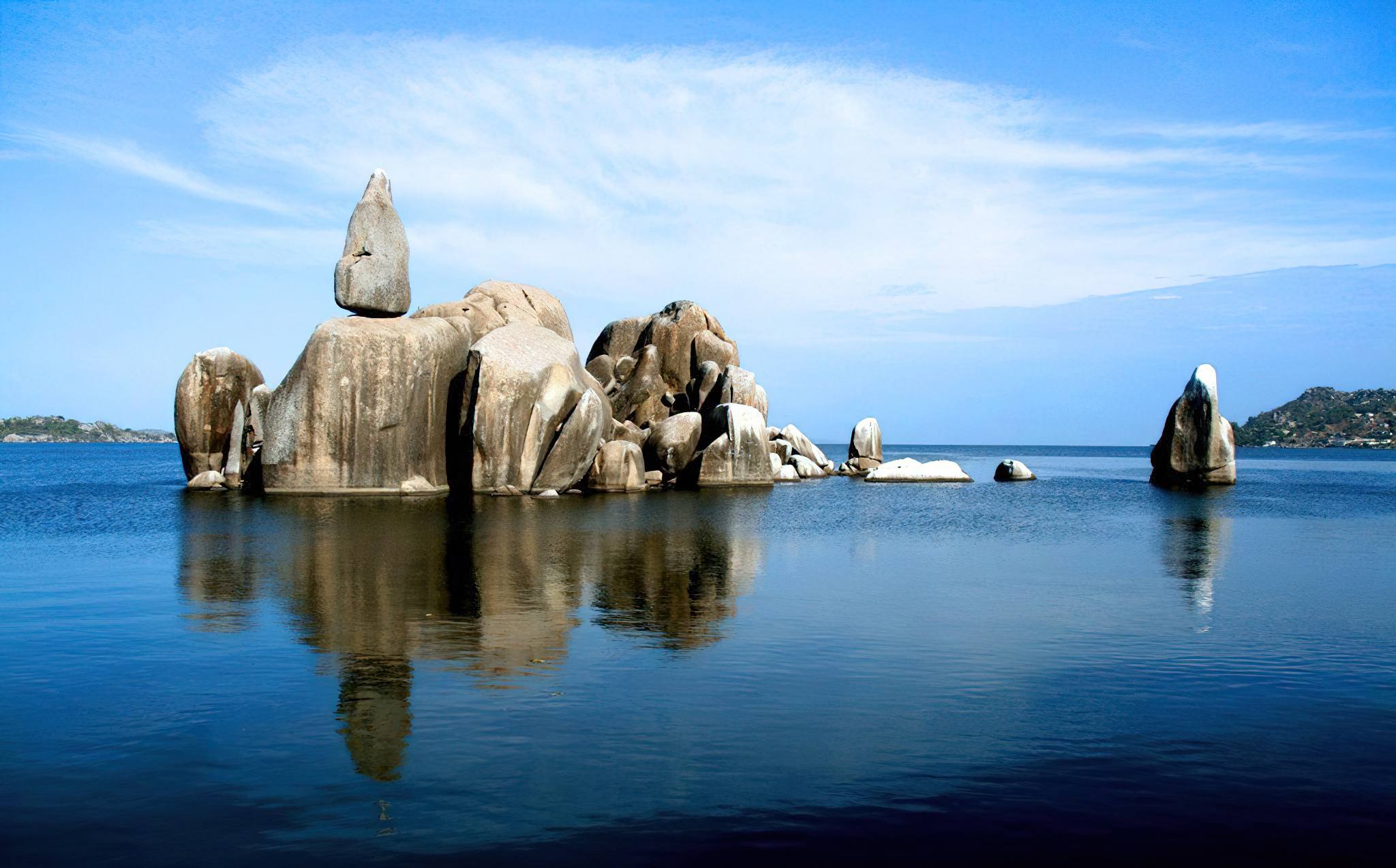
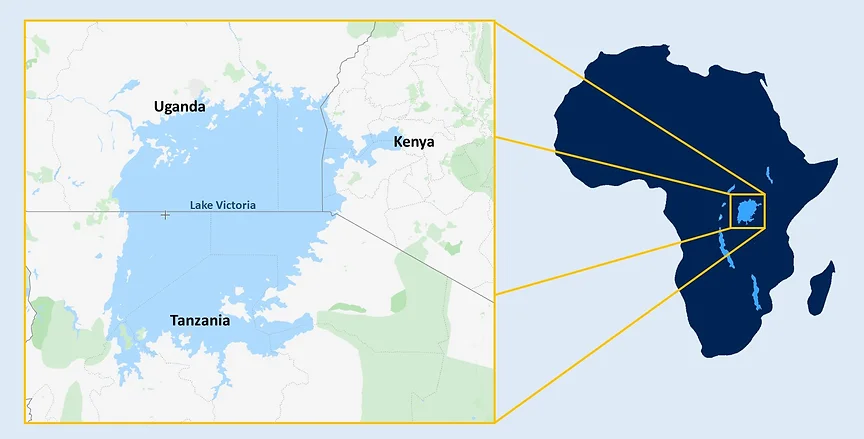
Lake Victoria is one of East Africa’s most remarkable natural attractions, located in northern Tanzania along the borders of Uganda and Kenya, not far from the famous Serengeti National Park. Covering approximately 69,484 square kilometers, the lake is the largest freshwater lake in Africa and the second-largest in the world, after Lake Superior. Around 49% of the lake lies within Tanzania, while 45% belongs to Uganda and 6% to Kenya.
Positioned between the Western and Eastern branches of the Great Rift Valley, Lake Victoria plays a crucial ecological role in the region. It is also the primary source of the Nile River, feeding the legendary Nile River with fresh water throughout the year.
Islands and Attractions Around Lake Victoria
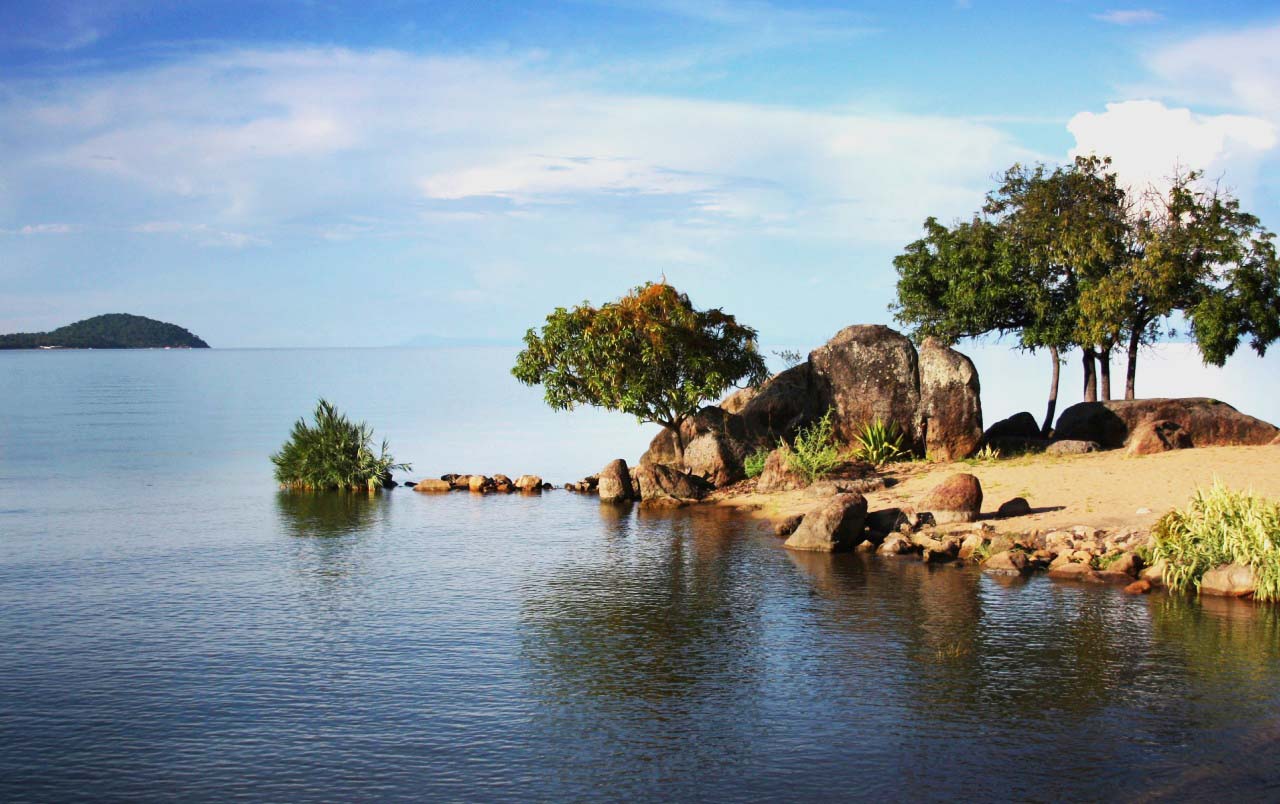
Several beautiful islands within the lake make it an exciting destination for travelers exploring northern Tanzania. Among the most notable are:
Ukerewe Island – the largest island in Lake Victoria, known for its peaceful villages and scenic landscapes.
Rubondo Island National Park – a protected island famous for wildlife, forests, and birdlife.
Ukara Island – a culturally rich island with traditional farming communities.
These islands and the surrounding lake region provide excellent opportunities for nature lovers and adventure travelers.
Tourist Activities at Lake Victoria
Visitors to Lake Victoria can enjoy a wide variety of outdoor and eco-tourism experiences, including:
Fishing excursions on Africa’s largest lake
Bird watching, with hundreds of resident and migratory species
Boat cruises and canoe trips across the calm waters
Nature walks and hiking along the scenic shoreline
Cultural visits to island communities
Swimming is possible in certain areas, though travelers are advised to take precautions due to health risks such as malaria and bilharzia.
Biodiversity and Environmental Challenges
Historically, Lake Victoria was known for its extraordinary biodiversity. Before the 1950s, the lake was home to over 500 species of fish, making it one of the most diverse freshwater ecosystems in the world. However, the introduction of the Nile perch dramatically altered the ecosystem, leading to the decline and extinction of many native fish species.
Another ecological challenge is the spread of the water hyacinth, an invasive aquatic plant introduced during the colonial period. Without natural predators, the plant spread rapidly across the lake, particularly around Kisumu. Today it continues to affect fishing activities, water transport, drinking water supply, and hydroelectric power generation.
Wildlife and Protected Areas
Despite these environmental challenges, the Lake Victoria region still supports impressive wildlife populations. Protected areas such as Rubondo Island National Park provide refuge for species including chimpanzees, sitatunga antelopes, elephants, and numerous bird species, making the area a valuable destination for eco-tourism.
Cities and Local Life Around the Lake
Communities around Lake Victoria rely heavily on agriculture, fishing, and livestock keeping. Important cities along the lake include:
Mwanza
Bukoba
Musoma
Kampala
Jinja
Kisumu
The lake is also an important economic and transport hub, supporting fishing industries, cotton and coffee trade, and cross-border commerce between East African countries.
Why Visit Lake Victoria?
Lake Victoria offers a unique combination of wildlife, culture, island exploration, and scenic landscapes. Whether you are interested in bird watching, fishing adventures, or exploring remote island communities, this vast lake provides a memorable addition to any northern Tanzania safari itinerary.
Book Your Tour With Us!