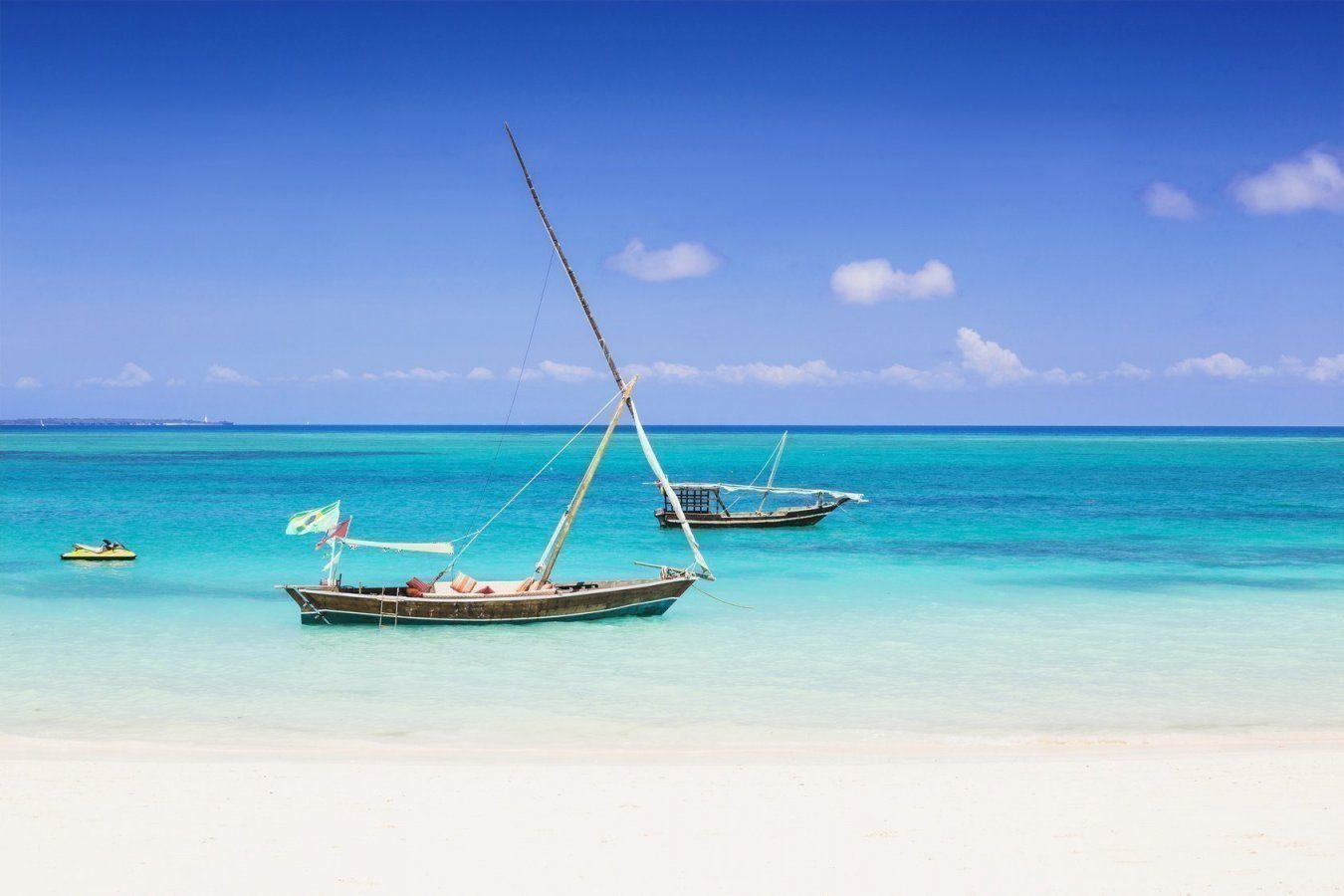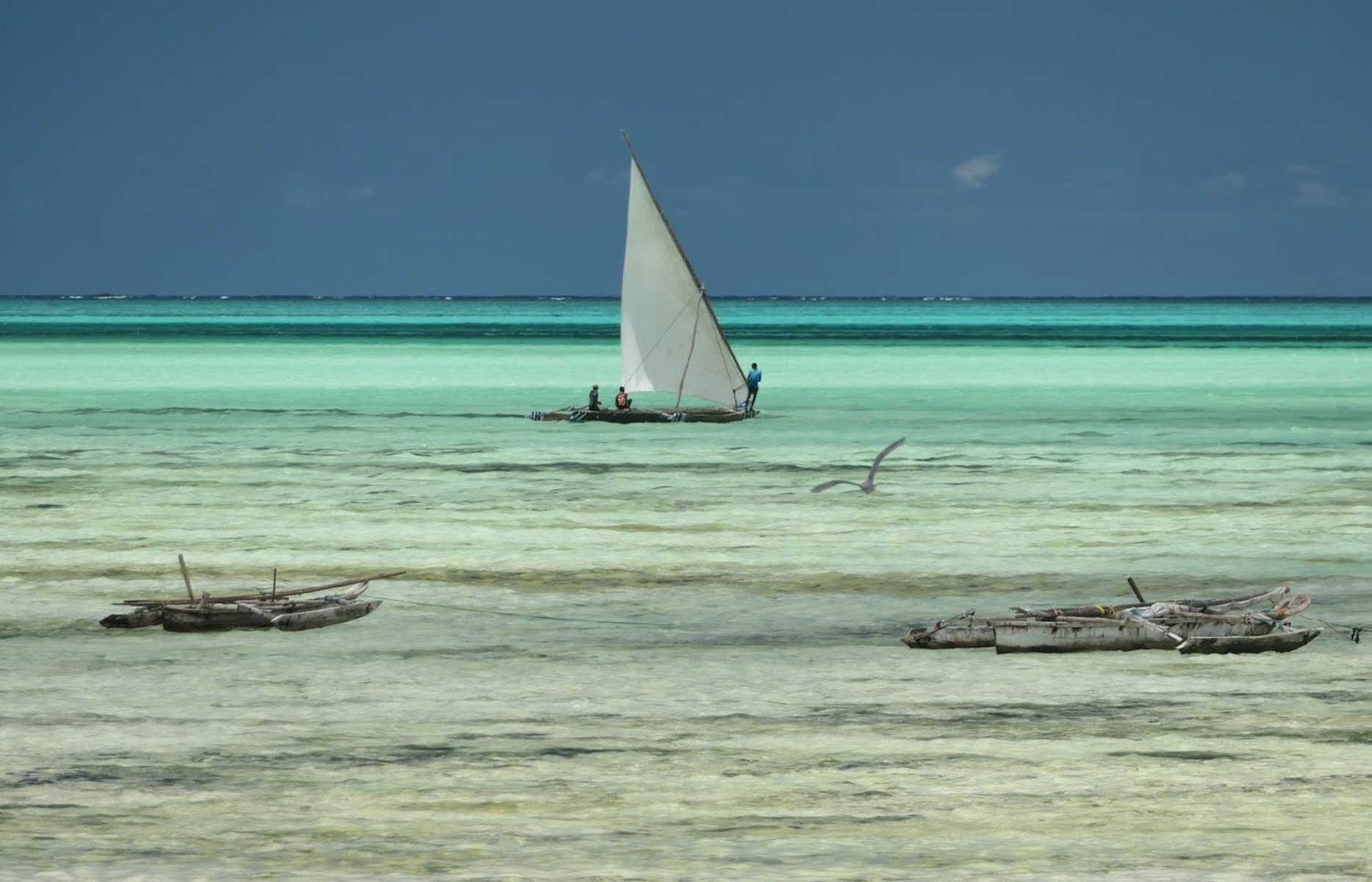

The Zanzibar Archipelago is a breathtaking collection of more than 50 islands scattered across the warm waters of the Indian Ocean. The two main islands — Unguja (commonly referred to as Zanzibar Island) and Pemba Island — are the most populated and well-known, while dozens of smaller islets remain untouched and secluded.
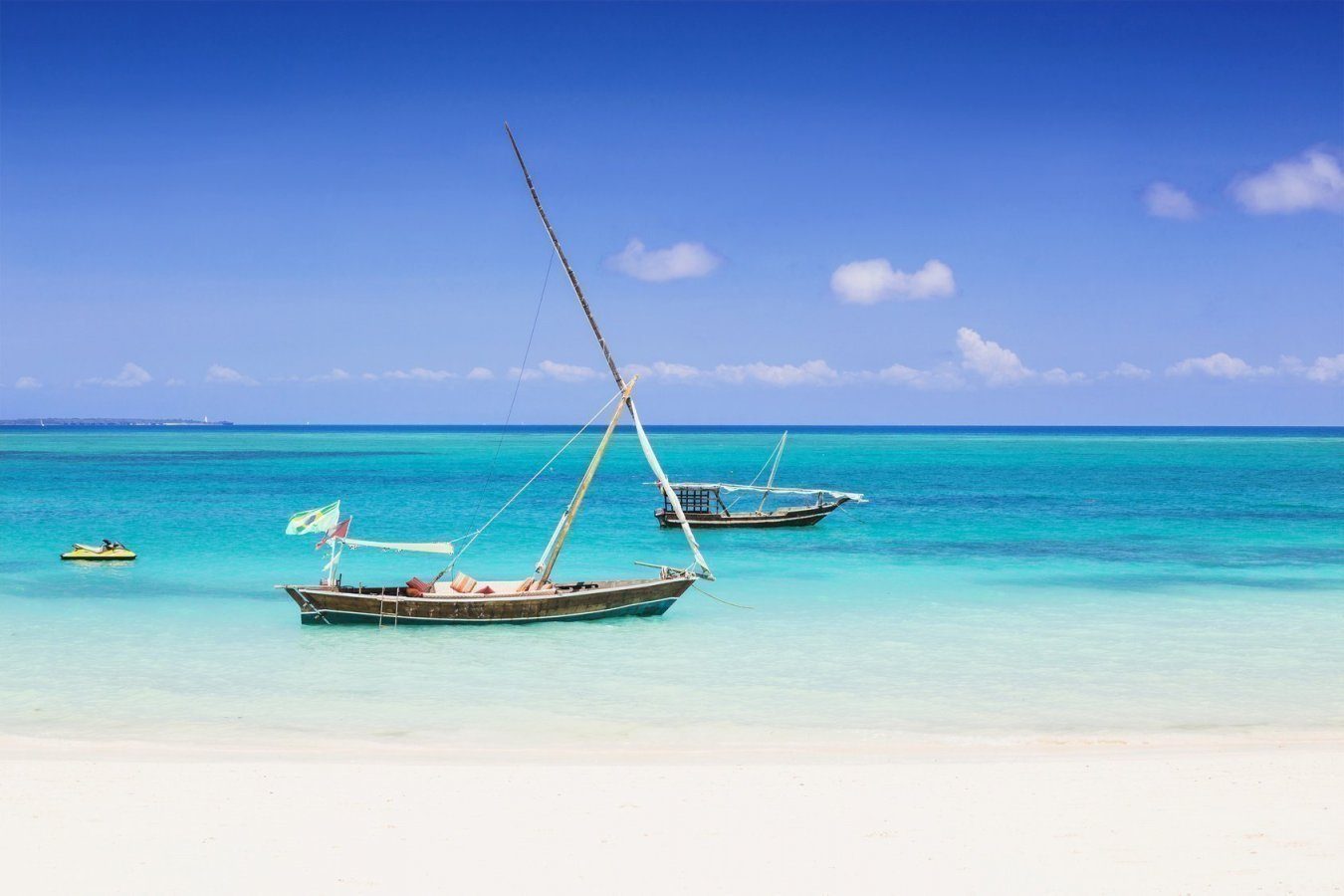
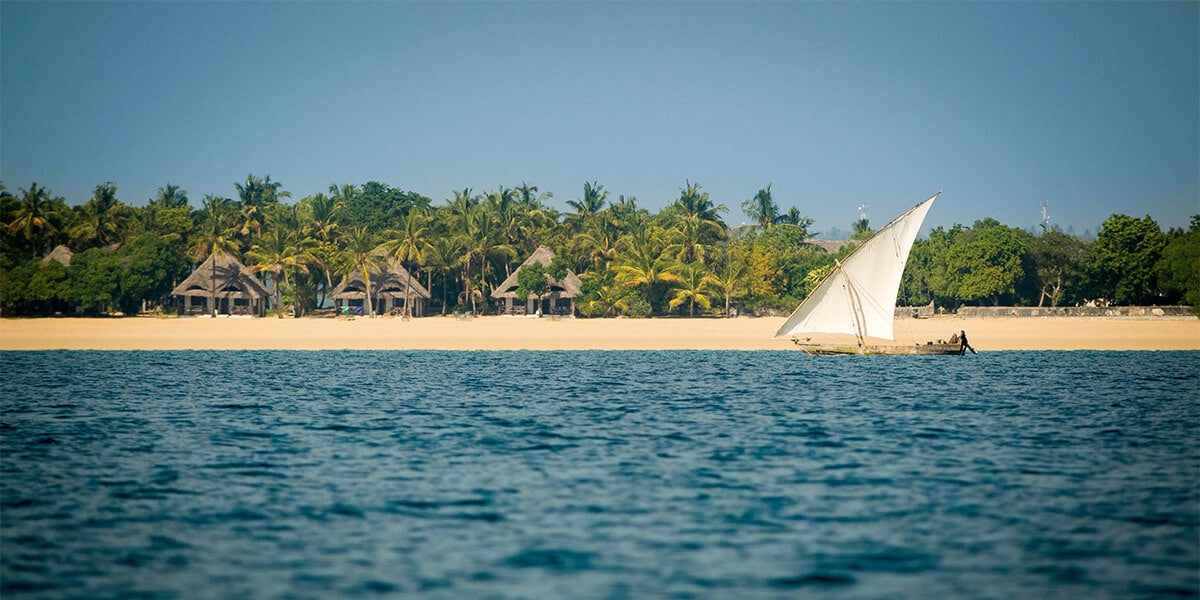
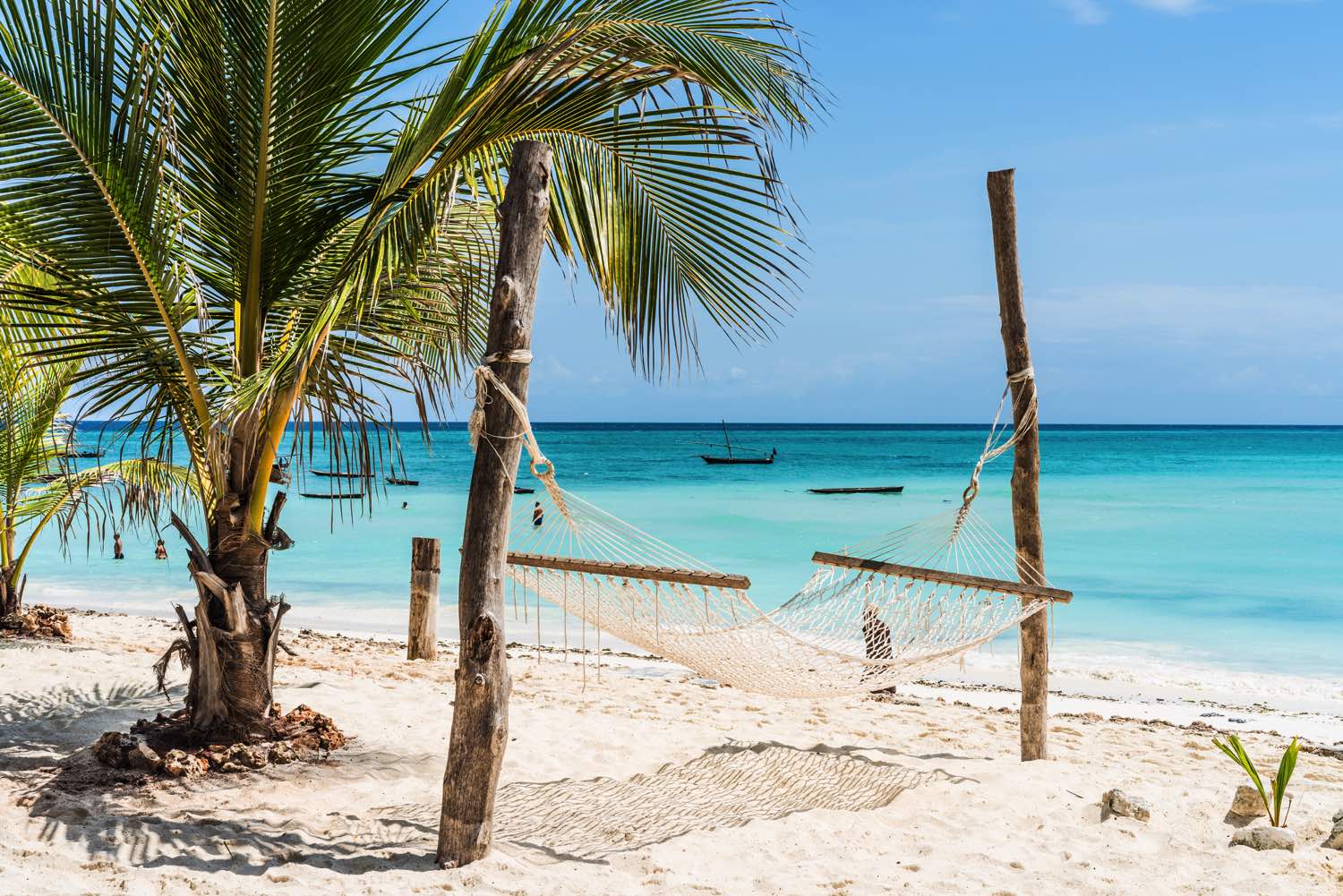
Here, you’ll discover powder-soft white sand beaches shaded by swaying palm trees, shallow crystal-clear waters, and vibrant coral reefs perfect for snorkeling and diving. Venture farther into the turquoise sea and you’ll find some of East Africa’s richest marine ecosystems. The larger islands are lush, fertile, and fragrant with cloves, cinnamon, nutmeg, and tropical fruits — creating the exotic atmosphere that has earned Zanzibar its nickname: The Spice Islands.
Zanzibar Island (Unguja) – Africa’s Tropical Beach Escape
Zanzibar Island is widely regarded as one of Africa’s most beautiful beach destinations. With miles of palm-fringed coastline and warm azure waters, it is the perfect complement to a Tanzania safari or a standalone beach holiday.
Zanzibar offers an impressive range of accommodations, including:
Boutique beach lodges
Romantic honeymoon resorts
Family-friendly beach hotels
All-inclusive luxury resorts
Private island hideaways
Whether you’re planning a Zanzibar honeymoon, a family beach holiday, or a post-safari relaxation escape, the island caters to every style of traveler.
The best time to visit Zanzibar is between June and February, when the weather is warm, sunny, and ideal for beach activities — perfectly aligning with the dry safari season in mainland Tanzania.
History of Zanzibar – A Cultural Crossroads of the Indian Ocean
Located just 20 miles off the East African coast, Zanzibar has long been a strategic trading hub. Its history reflects a rich blend of African, Arab, Persian, Indian, European, and even Chinese influences.
The island’s earliest inhabitants were Bantu-speaking Africans. Persian traders arrived in the 10th century, followed by Arab settlers — particularly from Oman — who had the most lasting influence. By the 11th century, Islam was firmly established.
In the 19th century, the Omani Sultan Said bin Sultan moved his capital from Muscat to Zanzibar, transforming it into a powerful commercial center built on spices and the slave trade. Although controversial, this era shaped much of Zanzibar’s architecture and cultural identity.
Zanzibar became a British protectorate in 1890. It gained independence in 1963, followed by a revolution in 1964. Shortly after, Zanzibar united with Tanganyika to form the modern nation of Tanzania, while maintaining semi-autonomous governance.
Today, Zanzibar has its own president, cabinet, and legislature, responsible for non-union matters within the United Republic of Tanzania.
People, Culture & Religion
Zanzibar’s population is approximately 1.6 million people, with a vibrant Swahili culture that blends African, Arab, Indian, and Persian traditions. The official languages are Kiswahili and English, and Arabic is widely spoken in certain communities.
The majority of Zanzibaris are Muslim. During the holy month of Ramadan, visitors are respectfully asked to avoid eating, drinking, or smoking in public during daylight hours.
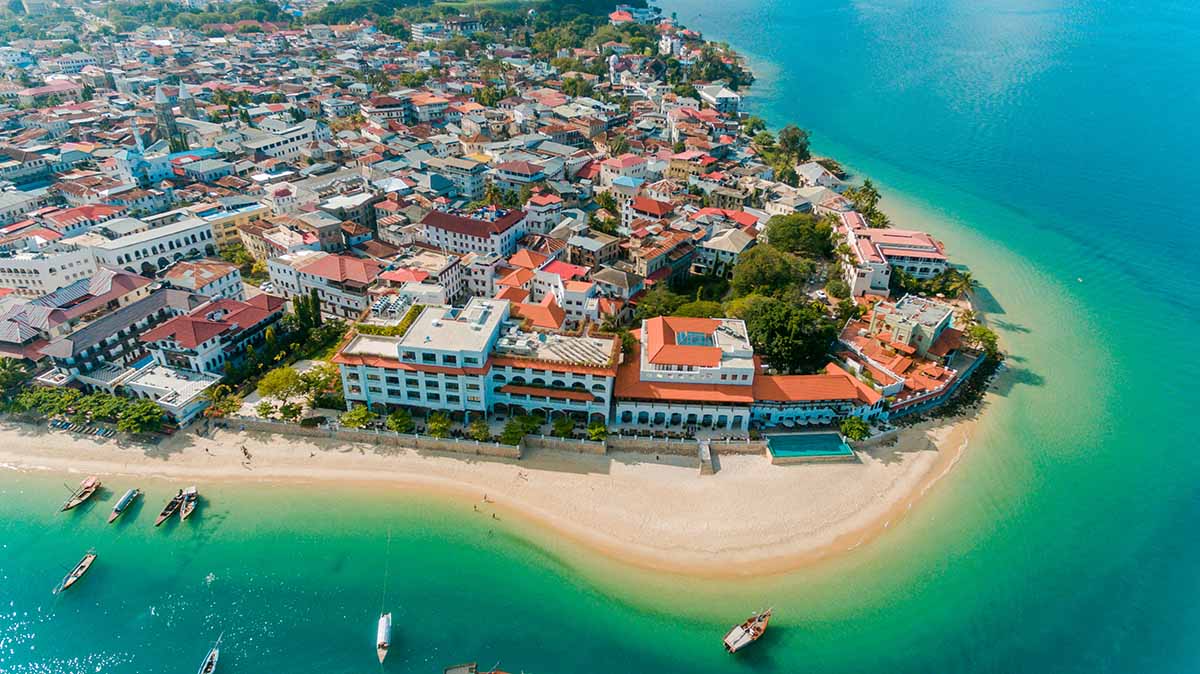
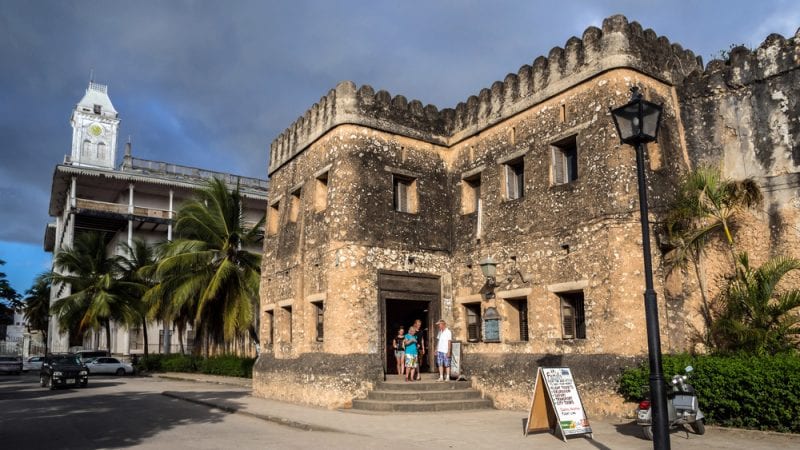
The heart of Zanzibar’s cultural heritage can be explored in Stone Town, a UNESCO World Heritage Site known for its narrow alleys, carved wooden doors, spice markets, and historic Arab architecture.
Best Areas for a Zanzibar Beach Holiday
Zanzibar offers diverse beach regions, each with a unique character:
Nungwi – Lively Northern Beaches
Nungwi sits at the northern tip of the island and is surrounded by turquoise waters on three sides. It offers vibrant nightlife, excellent diving, and stunning sunsets.
East Coast – Powder-White Paradise
The east coast features long stretches of white sandy beaches and boutique resorts. Offshore lies Mnemba Island, an exclusive private island renowned for luxury stays and world-class snorkeling.
Southeast Coast – Relaxed & Authentic
Villages like Jambiani offer a peaceful, authentic Swahili atmosphere. Expect wide lagoons, barrier reefs, and tranquil surroundings.
Southwest – Eco & Seclusion
The Fumba Peninsula is laid-back and home to the award-winning eco-resort on Chumbe Island, known for its conservation-focused marine park.
Beyond Zanzibar – Hidden Island Gems of Tanzania
For travelers seeking even more exclusivity:
Mafia Island – A diver’s paradise with a protected marine park and exceptional snorkeling.
Fanjove Island – A remote luxury island ideal for post-safari relaxation.
Pemba Island – More traditional, less crowded, and ideal for advanced diving enthusiasts.
Why Combine Zanzibar with a Tanzania Safari?
A Zanzibar beach holiday pairs perfectly with a safari in iconic parks like the Serengeti and Ngorongoro. After thrilling wildlife encounters, unwind on tropical beaches, enjoy fresh seafood, and soak in Indian Ocean sunsets.
This combination makes Tanzania one of Africa’s most complete travel destinations — offering wildlife, culture, history, and world-class beaches in one unforgettable journey.