Tanzania offers some of the world’s most spectacular safari experiences, with diverse ecosystems, abundant wildlife, and iconic landscapes that define the African safari dream. This comprehensive itinerary guide will help you plan the perfect Tanzanian safari adventure, whether you have a week or a month to explore this remarkable country.
The Northern Circuit represents Tanzania’s premier safari destination, encompassing world-famous parks and conservation areas that have captivated wildlife enthusiasts for decades. This carefully crafted itinerary takes you through four distinct ecosystems, each offering unique wildlife viewing opportunities and breathtaking landscapes.
Day 1: Arrival in Arusha – Gateway to Adventure
Your Tanzanian safari adventure begins the moment you touch down at Kilimanjaro International Airport, where the crisp mountain air and stunning views of Mount Kilimanjaro create an immediate sense of excitement. The two-hour transfer to Arusha provides your first glimpse of rural Tanzanian life, with small villages, coffee plantations, and acacia-dotted landscapes setting the stage for the adventure ahead.
Arusha serves as the safari capital of northern Tanzania, a bustling town nestled between Mount Meru and Mount Kilimanjaro. Your evening will be spent at a comfortable lodge where you’ll meet your experienced safari guide for a comprehensive briefing about the incredible journey ahead. This is the perfect time to ensure your camera equipment is ready, organize your safari clothing, and perhaps take a brief tour of Arusha’s vibrant local markets if time permits.
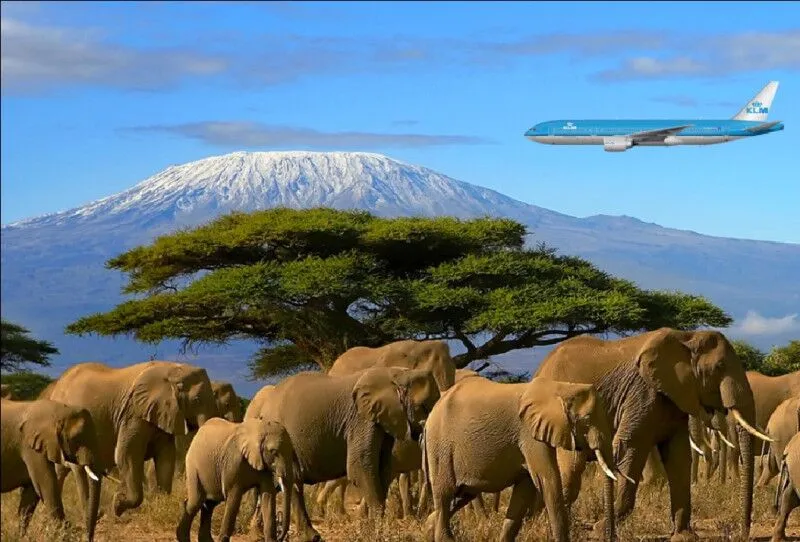
Days 2-3: Tarangire National Park – Land of Giants
The morning departure to Tarangire National Park marks the true beginning of your wildlife adventure. This remarkable park, often overshadowed by its more famous neighbors, offers some of Tanzania’s most rewarding game viewing experiences, particularly during the dry season when massive herds of elephants congregate along the Tarangire River.
Tarangire’s landscape is dominated by ancient baobab trees, their massive trunks and distinctive silhouettes creating a prehistoric atmosphere that photographers dream about. These magnificent trees, some over 1,000 years old, serve as natural monuments to the park’s ancient heritage. During game drives, you’ll witness elephant families engaging in complex social behaviors as they gather around the river, creating opportunities for incredible wildlife photography and unforgettable memories.
The park hosts over 550 bird species, making it a paradise for bird watchers. The endemic yellow-collared lovebird adds splashes of color to the acacia woodlands, while massive ground hornbills stride across the savanna. Lions often rest in the shade of baobab trees during the heat of the day, while leopards utilize the park’s rocky outcrops and dense vegetation for hunting and resting.
Days 4-5: Serengeti National Park – The Endless Plains
The journey to Serengeti National Park takes you through the Ngorongoro Conservation Area, offering spectacular views of the Great Rift Valley and your first glimpse of the crater rim. This scenic route provides excellent opportunities to spot wildlife even during the drive, with giraffes, zebras, and various antelope species frequently visible from the road.
The Serengeti represents the quintessential African safari experience, with its endless golden plains stretching to every horizon. This ecosystem supports the world’s largest terrestrial mammal migration, where over two million wildebeest, zebras, and gazelles follow ancient seasonal patterns in search of fresh grazing and water. The timing of your visit determines which part of this incredible spectacle you’ll witness.
During the calving season from December to March, the southern Serengeti becomes a nursery for hundreds of thousands of newborn wildebeest calves. This period offers extraordinary predator viewing opportunities as lions, cheetahs, and hyenas take advantage of vulnerable young animals. The sight of endless herds dotted with tiny calves creates some of the most emotionally moving wildlife viewing experiences possible.
From June to July, the herds concentrate in the Western Corridor, where the dramatic Grumeti River crossings provide heart-stopping action as crocodiles wait patiently for their annual feast. The northern Serengeti from August to October offers the famous Mara River crossings, where thousands of animals plunge into crocodile-infested waters in their instinctive drive to reach fresh pastures.
Day 6: Ngorongoro Crater – The African Eden
Descending into Ngorongoro Crater in the early morning provides one of Africa’s most breathtaking wildlife viewing experiences. This ancient caldera, formed by a massive volcanic collapse over two million years ago, creates a natural amphitheater that concentrates an incredible diversity of wildlife in a relatively small area.
The crater floor supports an estimated 30,000 animals year-round, creating game viewing densities found nowhere else in Africa. This unique ecosystem provides your best opportunity to encounter the endangered black rhinoceros, with approximately 60 individuals calling the crater home. These magnificent creatures, once widespread across Africa, now represent a conservation success story thanks to intensive protection efforts.
Lions thrive in the crater’s grasslands, with several prides maintaining territories across the caldera floor. The crater’s lions are known for their impressive size and distinctive black manes, attributed to the high mineral content in the crater’s environment. Massive bull elephants, often solitary and impressively tusked, create dramatic silhouettes against the crater walls.
Lake Magadi, a shallow soda lake in the crater’s center, attracts thousands of flamingos during certain seasons, creating a pink carpet across the alkaline waters. Hippos congregate in the permanent pools, while the surrounding grasslands support vast herds of zebras, wildebeest, and gazelles alongside their predators.
Day 7: Lake Manyara National Park – Diverse Ecosystems
Lake Manyara National Park, though Tanzania’s smallest northern circuit park, offers remarkable diversity packed into a compact area. The park’s unique geography creates multiple ecosystems, from the alkaline lake itself to dense groundwater forests, open grasslands, and steep escarpment walls.
The park gained fame for its tree-climbing lions, a behavior uncommon in most lion populations. These magnificent cats have adapted to spending daylight hours resting in the branches of large fever trees and sausage trees, possibly to escape biting insects or simply to catch cooling breezes. Photographing these arboreal lions creates unique and memorable images that distinguish your safari experience.
The Great Rift Valley escarpment provides a dramatic backdrop for game viewing, while the soda lake attracts thousands of flamingos during peak seasons. The park’s diverse habitats support over 400 bird species, making every game drive a birding adventure. Elephants move freely between the park and surrounding areas, often providing close encounters as they browse in the groundwater forests.
For travelers with additional time, extending your northern circuit experience allows for deeper exploration of the Serengeti’s diverse regions and more comprehensive cultural encounters. The Western Corridor offers unique river ecosystems where crocodiles and hippos dominate aquatic environments, while countless bird species thrive in the riverine forests.
The remote northern Serengeti provides a more exclusive experience with fewer vehicles and more authentic wilderness encounters. Here, you can witness the dramatic Mara River crossings during migration season while enjoying the serenity of one of Africa’s last great wilderness areas.
Cultural experiences add profound depth to your safari adventure. Authentic Maasai village visits provide insights into traditional pastoral life, ancient customs, and the challenges of balancing tradition with modernity. The Olduvai Gorge, known as the “Cradle of Mankind,” offers fascinating archaeological discoveries that trace human evolution back millions of years. Encounters with the Hadzabe tribe, one of Africa’s last hunter-gatherer societies, provide rare glimpses into humanity’s most ancient lifestyle.
For those seeking wilderness and fewer crowds:
Day 1-3: Nyerere National Park (former Selous)
Day 4-6: Ruaha National Park
Day 7-8: Mikumi National Park
Day 1-3: Katavi National Park
Day 4-6: Mahale Mountains National Park
Day 7-8: Gombe Stream National Park
Days 1-7: Kilimanjaro Climb
Days 8-14: Northern Circuit Safari
Perfect Safari Conclusion:
Peak Season (June-October, December-March):
Green Season (April-May, November):
Transportation Options:
Self-Drive Safaris:
Guided Safaris:
Flying Safaris:
Budget Options:
Mid-Range Options:
Luxury Options:
Clothing:
Equipment:
Equipment Recommendations:
Best Practices:
Park Fees and Conservation: Safari fees directly support conservation efforts and local communities.
Responsible Practices:
Medical Preparations:
Safety Guidelines:
A Tanzania safari represents one of the world’s premier wildlife experiences, offering encounters with iconic African animals in their natural habitats. Whether you choose the classic Northern Circuit, venture into the remote Southern parks, or combine your safari with cultural experiences and beach relaxation, Tanzania provides unforgettable memories that will last a lifetime.
 How to Book Best Tanzania Safari Itinerary
WhatsApp us